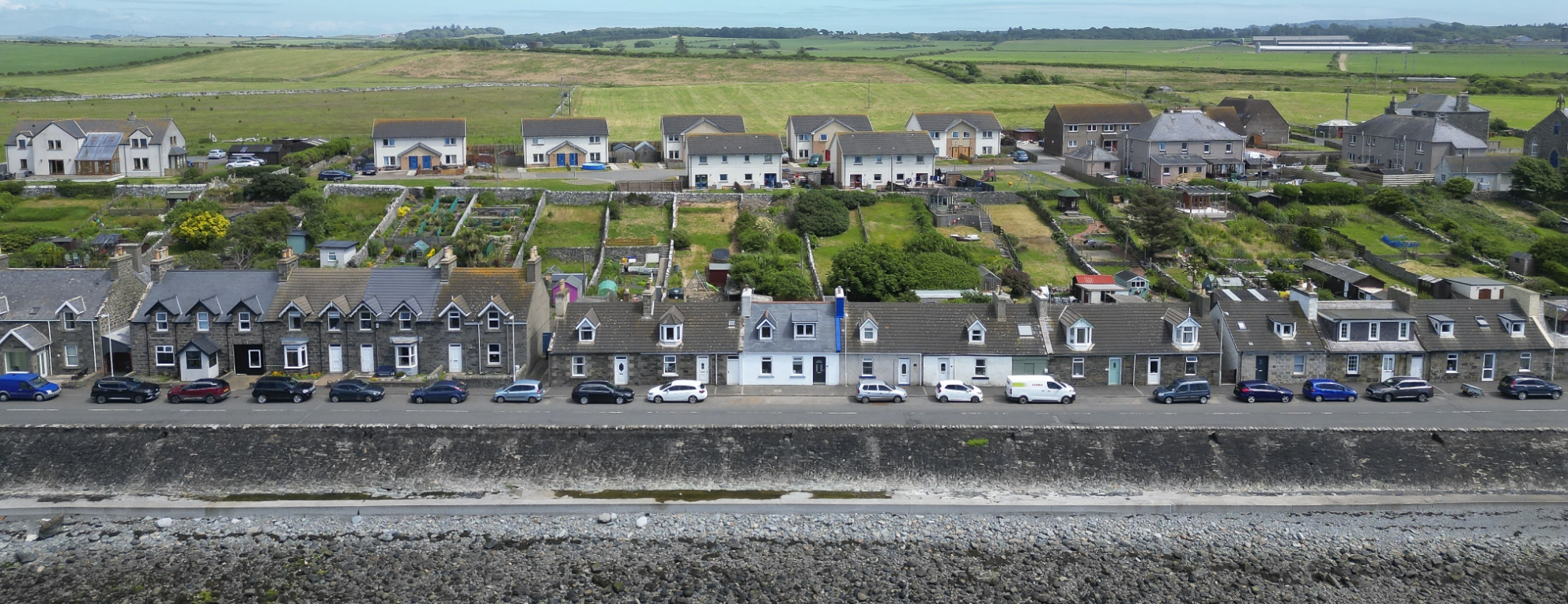
Itinerary 4: Castle Douglas and Threave Garden
All the areas below are worth a full day out, so treat this as a menu to pick and choose from rather than a fixed schedule.
If you are heading this way, I highly recommend having breakfast, lunch or dinner, or all three, at Selkirk Arms Hotel, High Street, Kirkcudbright DG6 4JG, tel. 01557 330402. It’s about an hour’s drive, 42 miles from Port William. This 17-bedroom hotel serves stunning food made from local produce, with dining in the bar, bistro or restaurant. It’s a real special occasion spot and worth booking ahead as it gets busy. Menus are online if you want to see what’s on offer before you go.
Kirkcudbright
Kirkcudbright (pronounced ker-coo-bree) is known as the artists’ town, with a thriving creative community and well worth a full day in itself. There are galleries and shops selling local artwork all along the streets, plus plenty of cafés and independent shops to tempt you.

Threave Garden and Nature Reserve
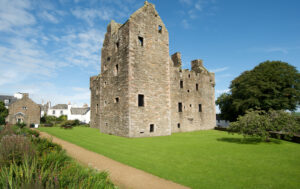
Threave Castle itself, DG7 1TJ, west of Castle Douglas, is currently closed to visitors while Historic Environment Scotland carries out conservation work on the 14th-century tower. There’s no confirmed reopening date, so it’s worth checking their website before you set off if you were hoping to go inside.
That said, it’s still well worth the trip. The surrounding Threave Garden and Nature Reserve, run by the National Trust for Scotland, is open daily and gives you a proper walk down to the river with views across to the castle ruin on its island. There’s a lovely wildlife hide for spotting ospreys in season, a visitor centre, a café and shop, and the walking paths are well-maintained and easy-going.
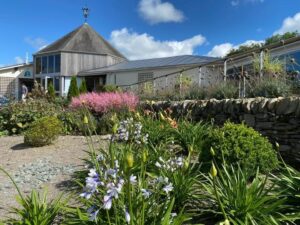
Castle Douglas
From Threave, head into Castle Douglas itself, known as Scotland’s Food Town. Browse the local shops and markets for fresh produce, and check what’s on, there are regular exhibitions and events throughout the year.
Carlingwark Loch
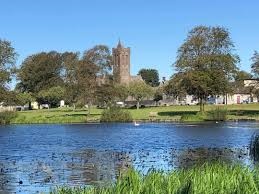
If you fancy walking off your lunch, Carlingwark Loch, DG7 1SG, is a small freshwater loch just south of Castle Douglas. There’s a 5.25km footpath right around it, and it’s popular for birdwatching and fishing. The name comes from the Scots Gaelic caer, meaning fort, and wark, the old Scots word for work, and several archaeological finds have come up from the loch over the years, including a bronze cauldron, a sword and two dugout canoes.
Home to Port William
Return to the cottage for a relaxing evening.
Fancy staying with us?
If you’d love to experience Westview Cottage for yourself, contact us direct for a 10% discount or check availability and pricing here. Many of our guests tell us it’s the best cottage they’ve ever stayed in, a real home from home, and quite a few come back to us again and again.
Want to know more about what’s on offer? Take a look at the facilities here, or take a virtual tour of the house from the comfort of your sofa.
And if you’re curious about the people behind it all, read more about Annabelle, Dean and the Webster family here.
With love from Port William,
Annabelle & Dean x